Your internet may have been perfect for your household a few years ago, but the way we use the internet has changed dramatically. From streaming in 4K and online gaming to remote work, video calls, and smart home devices, today's households demand far more from their internet connection than ever before.
If you've been dealing with slow speeds, buffering, or unreliable connections, it may not be your devices—it could be your internet service. Here are the biggest signs it's time to upgrade your internet and why many households are making the switch from traditional cable internet to fiber internet.
1. Buffering Has Become a Daily Frustration
Few things are more annoying than your favorite show stopping to buffer every few minutes.
If your household streams TV regularly, especially on multiple devices, buffering is often a sign that your current internet plan can no longer keep up with your usage.
Upgrading to a faster internet connection can provide smoother streaming, quicker loading times, and a more enjoyable viewing experience.
2. Your Internet Slows Down When Everyone Is Home
Does everything seem fine until everyone gets home from work or school?
If one person starts gaming while another joins a Zoom meeting and someone else streams Netflix, your connection may become overwhelmed.
Modern households often have dozens of connected devices. Your internet should be able to support multiple users at once without noticeable slowdowns.
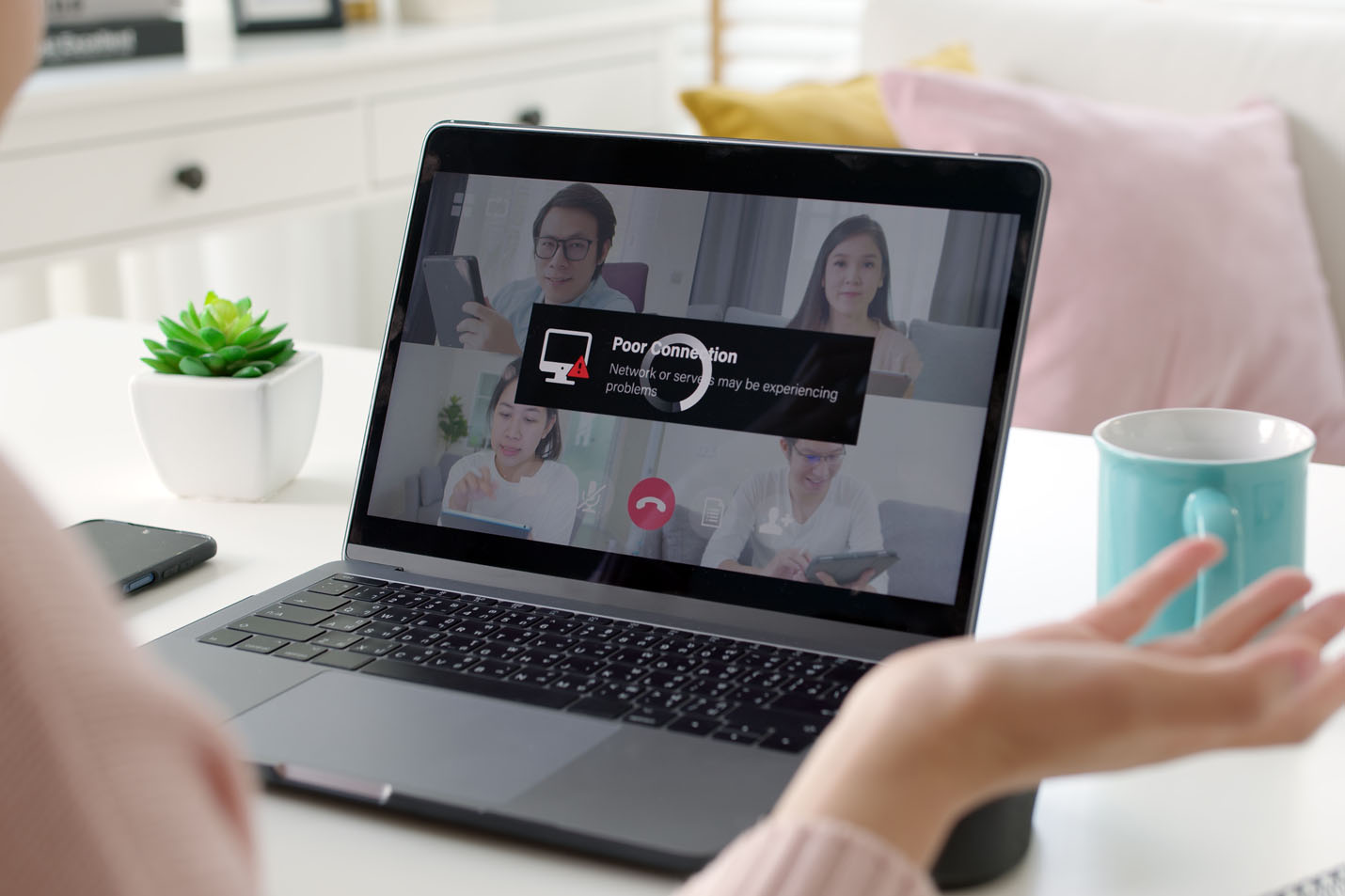
3. Video Calls Freeze or Drop
Whether you're working remotely, attending online classes, or catching up with family, video calls require a stable internet connection.
If people constantly tell you that you're freezing, your audio cuts out, or meetings disconnect unexpectedly, your upload speeds may not be sufficient.
This is one area where fiber internet often outperforms traditional cable because fiber typically offers much faster upload speeds, helping deliver smoother video conferencing and clearer communication.
4. Your Smart Home Keeps Disconnecting
Smart thermostats, security cameras, video doorbells, voice assistants, lighting systems, and connected appliances all rely on your home internet.
As more smart devices connect to your network, older internet connections may struggle to keep everything online consistently.
If devices frequently disconnect or respond slowly, your internet may be reaching its limits.
5. Large Downloads Take Forever
Downloading new games, software updates, or large files shouldn't require hours of waiting.
If updates regularly interrupt your day or downloads seem painfully slow, upgrading your internet can save significant time over the course of a year.
6. Your Cable Internet Feels Less Reliable Than It Used To
Many cable internet networks use shared infrastructure within neighborhoods.
During peak usage times, heavy demand can sometimes impact performance, resulting in slower speeds or increased congestion.
Fiber-optic internet uses a different technology with a much higher capacity, and is therefore less affected by neighborhood traffic, providing more consistent performance throughout the day.
If your internet seems to slow down every evening, switching from cable to fiber may provide a more reliable experience.
7. You Work From Home More Often
If your home has become your office, classroom, or both, your internet connection should be built to support it.
Common work activities include:
- Video conferencing
- Uploading large files
- Accessing cloud applications
- Virtual desktops
- VPN connections
These activities rely heavily on upload performance—not just download speeds.
Fiber internet's symmetrical speeds (where uploads are often just as fast as downloads) make it especially well-suited for remote workers.
8. Your Household Is Growing
The internet plan that worked for your family three years ago might not be enough today. Every new phone, tablet, gaming console, television, laptop, and streaming device adds demand to your network.
Many families now have:
- Multiple smart TVs
- Several smartphones
- Laptops
- Tablets
- Gaming consoles
- Smart speakers
- Security cameras
- WiFi-connected appliances
If your internet plan hasn't changed in years, it may no longer match your household's needs.
9. You're Paying Nearly the Same Price for Older Technology
Many people are surprised to discover they're paying almost as much for older cable internet as they would for a modern fiber connection. If it's been a few years since you compared pricing, you may be surprised by what is available today.
If fiber internet is available in your area, it's worth comparing:
- Download speeds
- Upload speeds
- Reliability
- Equipment
- Monthly pricing
- Contract requirements
In many communities, fiber offers significantly better performance without costing substantially more.
Why More People Are Switching From Cable to Fiber
Cable internet has served households well for decades, but internet usage has evolved.
Fiber internet was built for today's connected homes, offering advantages such as:
- Faster upload speeds
- Consistent performance throughout the day
- Better support for multiple devices
- Lower latency for gaming and video calls
- Greater reliability
- Capacity to handle future internet demands
As more families work, learn, stream, and game from home, fiber has become the preferred choice where it's available.
Should You Upgrade Your Internet?
If you've experienced several of the issues above, your current internet plan may no longer meet your household's needs.
Upgrading your internet isn't just about getting faster speeds—it's about improving your everyday online experience. Whether you're streaming movies, working remotely, gaming with friends, or connecting smart devices throughout your home, a modern fiber connection can help eliminate many of the frustrations associated with older internet technologies.
If fiber internet is available where you live, comparing it to your current cable service could be one of the easiest ways to improve your home's connectivity today.